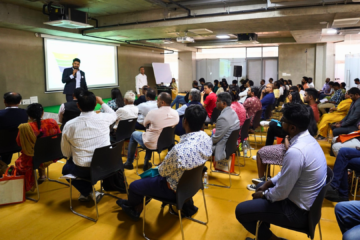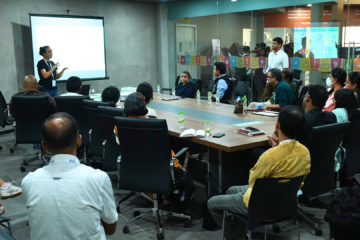
Venue for Workshops: Planning a multi-day workshop involves more than just selecting a date and location. It requires a strategic approach to ensure that participants are engaged, logistics run smoothly, and learning outcomes are achieved. Whether you’re organizing a corporate training session, a team-building retreat, or a skill-development workshop, here’s a comprehensive guide to help you plan a successful multi-day event.
1. Importance of End-of-the-Day and Start-of-the-Day Recaps
One of the most effective strategies to maintain continuity and ensure learning retention in a multi-day workshop is incorporating recaps. At the end of each day, facilitators can summarize key learnings, reflect on achievements, and gather feedback. Starting the next day with a brief review ensures participants are aligned and ready to build on prior discussions. Participant-led recaps can also enhance engagement and provide fresh perspectives, fostering a collaborative learning environment.
2. Crafting an Engaging Agenda
An engaging agenda is the backbone of a successful workshop. It should strike a balance between structured sessions, hands-on activities, and moments for relaxation or informal networking. Tailor the agenda to the specific goals of your workshop and the interests of your participants. Include diverse formats such as group discussions, presentations, role-playing exercises, and creative brainstorming to keep everyone energized and involved.
Structure Ideas:
- Start with icebreakers or team-building exercises.
- Incorporate interactive sessions like group discussions or role-plays.
- Schedule outdoor activities or informal networking sessions in the evenings.
- End with a summary and actionable takeaways.
3. Focusing on Participant Experience
Your participants are at the heart of the workshop. Focus on creating an experience that caters to their needs, interests, and comfort. This includes designing activities that align with their learning styles, ensuring adequate breaks, and providing opportunities for meaningful interaction. A thoughtful approach to participant experience can transform your workshop from a routine event into a memorable and impactful journey.
4. Venue for Workshops : Choosing the Right Venue
The venue plays a critical role in shaping the workshop’s success. Participants will be spending 2–3 days immersed in a single environment, making diversity in spaces, ambiance, and functionality essential. A venue with adaptable spaces—such as indoor training rooms, outdoor areas, and breakout zones—can help sustain engagement and motivation. The right environment can enhance teaching-learning outcomes by offering comfort and creativity for both trainers and participants. Conversely, a monotonous or poorly equipped venue can diminish energy levels and reduce overall impact.

Mistakes to Avoid:
- Opting for resorts: While resorts may seem attractive, they often lack the infrastructure required for workshops, such as breakout rooms or audio-visual setups.
- Ignoring accessibility: Ensure the venue is easy to reach for all participants.
What to Look For:
- Fully equipped training halls and meeting rooms.
- Comfortable accommodation for multi-day stays.
- Dining services offering a variety of meal options.
- Outdoor spaces for activities like team building or relaxation.
5. Setting Clear Goals and Outcomes
Defining the workshop’s objectives at the outset provides a roadmap for both organizers and participants. Clearly articulate what you aim to achieve, be it skill development, problem-solving, or team-building. Goals act as a guiding compass, ensuring every session contributes meaningfully to the desired outcomes.
6. Facilitating Effective Communication
Open lines of communication between facilitators and participants are vital. Utilize pre-workshop surveys, emails, or calls to understand expectations and tailor sessions accordingly. During the workshop, encourage active participation, address concerns promptly, and provide a platform for sharing ideas freely.
7. Incorporating Breaks and Social Activities
All work and no play can make even the best workshop dull. Schedule adequate breaks and include social activities like team games or networking dinners. These moments allow participants to recharge, foster stronger connections, and return to sessions with renewed focus.
Examples:
- Problem-solving exercises in small groups.
- Outdoor challenges like obstacle courses or trust-building games.
- Creative brainstorming sessions in natural settings.
8. Ensuring Seamless Logistics
From transportation and accommodation to meals and materials, seamless logistics can make or break the participant experience. Create a detailed checklist to manage these aspects efficiently. Collaborate with reliable vendors and have contingency plans for unforeseen circumstances.
Checklist:
- Accommodation: Book rooms well in advance, ensuring comfort for all participants.
- Transportation: Arrange pick-ups and drop-offs for out-of-town attendees.
- Technology: Confirm that all audio-visual equipment is functioning. Have backups for microphones, projectors, and internet connectivity.
- Meals: Provide balanced meals and snacks to keep participants energized.
9. Collecting Feedback and Measuring Success
Feedback is a valuable tool for improving future workshops. Use post-event surveys to gather participant insights on what worked and areas for improvement. Compare the outcomes against the predefined goals to assess the workshop’s success and identify actionable takeaways.
How to Gather Feedback:
- Conduct surveys or feedback forms immediately after the event.
- Schedule follow-up sessions or calls to assess long-term impact.
- Use feedback to refine future workshops.
Metrics to Consider:
- Participant satisfaction scores.
- Achievement of workshop objectives.
- Engagement levels during sessions.
Planning a multi-day workshop may seem daunting, but choosing the right venue and following these tips can simplify the process. At Bala Vikasa Campus, we specialize in hosting impactful learning events with all the facilities you need for a seamless experience. From training halls and luxury accommodations to serene outdoor spaces, our campus is designed to help you achieve your workshop goals.
Don’t just take our word for it—schedule a visit to experience the difference. Your journey toward a successful multi-day workshop starts here!